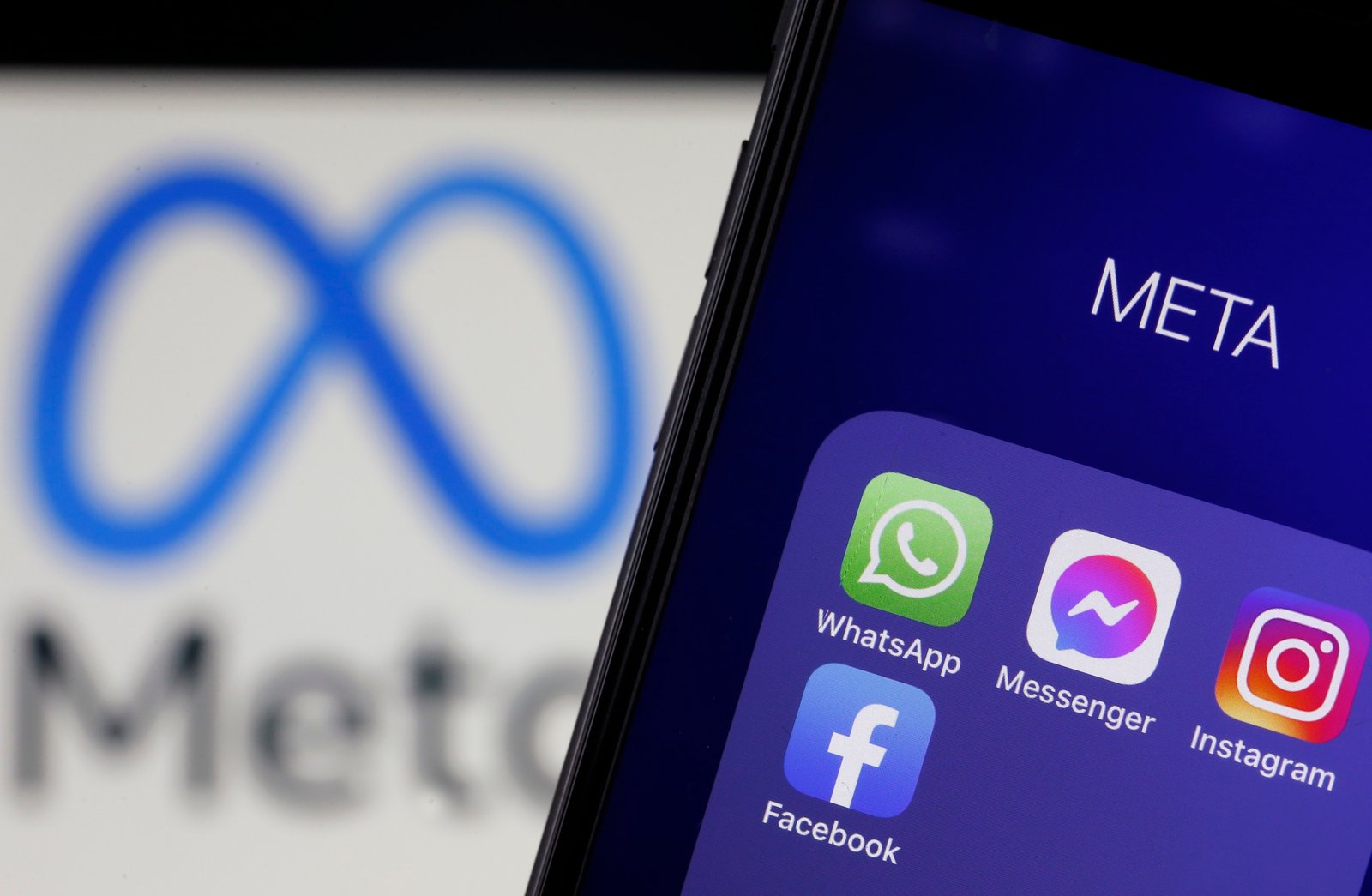
Russia is pressing members of the Shanghai Cooperation Organization (SCO) to develop their own digital platforms. This initiative aims to reduce dependence on Western media giants, according to a Russian Digital Development Ministry official.
The SCO includes China, India, Iran, Kazakhstan, Kyrgyzstan, Pakistan, Russia, Tajikistan, Uzbekistan, and Belarus. The call for independent digital resources was made at an SCO media forum in Kyrgyzstan on Friday.
Ekaterina Larina, a Russian Digital Development Ministry official, stated that Western platforms hold “huge influence” over global audiences. She noted this influence could be used to shape public opinion and information flows. Larina emphasized that while SCO countries negotiate with global platforms, developing their own resources is crucial for information security.
Moscow has consistently advocated for states to assert greater sovereignty over their national information spaces. This includes reducing reliance on foreign-controlled digital infrastructure. The current push aligns with Russia’s long-standing position on digital autonomy.
The forum, organized by Kyrgyzstan’s Ministry of Culture, Information, and Youth Policy, gathered approximately 100 delegates. Attendees included government officials, media executives, digital platform representatives, and industry experts from SCO member states. This diverse participation underscores the regional interest in media and digital policy.
Kyrgyz Culture Minister Mirbek Mambetaliev addressed the participants, calling for enhanced cooperation among SCO media outlets. He suggested that stronger ties could foster a shared information space built on trust and partnership. Such collaboration could counter the perceived dominance of external media.
Discussions at the event covered media digitalization, the application of artificial intelligence in journalism, and the increasing role of online platforms in news consumption. Participants also explored potential joint media initiatives and broader cooperation. These topics reflect the evolving challenges and opportunities in the global digital information sphere.
The initiative to curb Western media influence highlights ongoing geopolitical efforts to reshape digital information flows. The success of this push will depend on the willingness and capacity of SCO members to invest in and adopt alternative digital infrastructures. Future developments will reveal how these nations balance global digital engagement with national information sovereignty.
The forum did not specify timelines or concrete funding mechanisms for developing these independent digital resources. It remains unclear how individual SCO members will implement such a strategy, given varying levels of technological development and existing digital infrastructure. The practical steps and economic implications of creating a unified, independent digital ecosystem across the SCO warrant close observation.